 Reviews

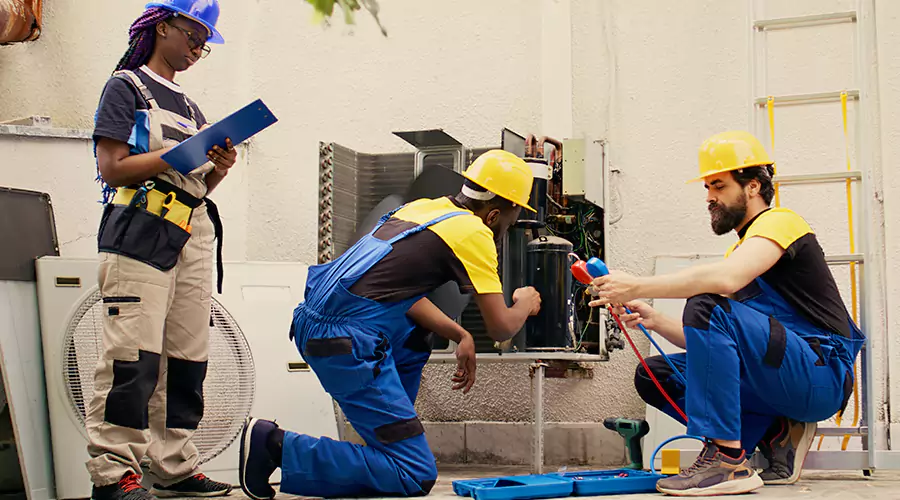
A furnace usually gives early warnings before it stops working completely. Some signs are obvious, but others are easy to miss until the home feels cold, energy bills rise, or the system becomes unsafe.
Knowing the most common furnace repair signs can help homeowners act before a small issue becomes an expensive breakdown. If your heating system sounds different, smells unusual, or struggles to keep rooms warm, it may be time to schedule AC heater repair service to restore reliable heating and prevent further damage.
Why Furnace Warning Signs Matter?
Heating systems operate under high demand during cold weather. Small issues can grow quickly if ignored. Timely attention helps protect both comfort and safety.
How Early Detection Prevents Major Failures?
When your furnace needs repair, early action limits damage to key components. Minor issues can spread to burners or motors or controls. Addressing problems early helps avoid emergency breakdowns.
Quick Furnace Problem Guide
Use this table to understand common warning signs and what they may mean.
| Warning Sign | Possible Cause | What to Do |
|---|---|---|
| Cold air from vents | Ignition or burner issue | Schedule repair |
| Loud noises | Loose or worn parts | Request inspection |
| Bad smell | Dust, gas, or overheating | Check safety first |
| Yellow flame | Combustion problem | Call a technician |
| Weak heat | Airflow or burner issue | Book service |
| Short cycling | Filter or control issue | Get diagnosis |
This guide can help you decide when professional help is needed.
Furnace Blowing Cold Air
Cold air from vents signals a heating issue. The system may run but fail to produce heat.
This can quickly reduce indoor comfort.
What Causes Loss of Heat Output
A furnace blowing cold air may result from ignition failure or airflow restriction or thermostat settings. Each issue affects heating performance. Inspection helps determine whether the problem is simple or complex.
Strange Furnace Noises
Unusual sounds often indicate internal stress. These noises should not be ignored. They may signal mechanical or electrical problems.
Which Sounds Indicate Specific Problems?
Strange furnace noises can point to loose parts or worn motors or blower issues. Each sound type may reveal a different fault. Early inspection prevents further damage.
Furnace Smells Bad
Odors can signal different types of problems. Some smells are harmless while others require urgent attention. Understanding the source is important.
How to Identify Safe vs Dangerous Odors?
If your furnace smells bad, determine whether the odor is dust or something more serious. Burning or gas smells require immediate action. Proper inspection ensures safe operation.
Yellow Pilot Light
Flame color provides important safety information. A healthy flame should be blue. Color changes may indicate combustion problems.
What Flame Color Reveals About Combustion?
A yellow pilot light may indicate incomplete combustion. This can create safety risks if not corrected. Professional service is required to inspect and adjust the system.
Weak Heat From Furnace
Reduced heat output affects comfort and system performance. The furnace may run longer without results. This often develops gradually.
Why Heating Output Decreases Over Time?
Weak heat from furnace vents may result from airflow problems or burner issues. Reduced efficiency leads to longer run time. Timely repair restores proper heating.
Furnace Short Cycling
Frequent on and off cycles strain system components. This pattern reduces efficiency. It also prevents stable indoor temperature.
How Cycling Issues Affect System Lifespan?
Furnace short cycling increases wear on motors and controls. Repeated startup stress reduces equipment life. Resolving the cause improves reliability.
High Heating Bills
Unexpected cost increases often signal system inefficiency. The furnace may be working harder than necessary. This can happen even if comfort seems normal.
What Rising Costs Reveal About System Condition?
High heating bills may result from dirty filters or duct leaks or aging parts. These issues increase energy use. Inspection helps identify the source of inefficiency.
Furnace Not Turning On
Failure to start can leave your home without heat. This issue may involve multiple components. Some causes are simple while others need repair.
Steps to Check Before Calling for Service
A furnace not turning on may relate to thermostat settings or power supply or safety switches. Basic checks can rule out minor issues. If the problem continues, professional service is required.
Uneven Heating Around the Home
Temperature differences between rooms reduce comfort. Some areas may stay colder than others. This often points to airflow or system issues.
How Airflow Imbalance Affects Room Comfort?
Uneven heating may result from duct problems or blocked vents or insulation gaps. These issues prevent equal heat distribution. Balancing airflow improves comfort.
Old Furnace Problems
Older systems tend to develop more issues over time. Wear and tear affects performance. Frequent repairs may become necessary.
When Age Impacts System Reliability?
Old furnace problems often include declining efficiency and increased breakdowns. Aging parts struggle under heavy use. Evaluation helps determine repair versus replacement.
Furnace Safety Issues
Some furnace problems can create serious risks. Safety should always come first. Certain signs require immediate attention.
Warning Signs That Require Immediate Action
Furnace safety issues may include gas odors or abnormal flames or repeated shutdowns. These indicate potential hazards. Stop using the system until it is inspected.
When Emergency Repair Is Needed?
Certain situations require urgent service. Delaying repair can increase risk. Immediate action protects comfort and safety.
Situations That Require Fast Response
Emergency furnace repair is needed when heating fails during cold weather or safety concerns appear. Quick service prevents further damage. Contact a professional immediately in these cases.
Why Professional Repair Matters?
Professional service ensures accurate diagnosis. It also prevents incorrect fixes. Heating systems require proper handling.
How Expert Repair Improves Safety and Performance?
Professional furnace repair includes testing system components and verifying safe operation. This ensures reliable performance. Gas furnace repair must be handled by trained technicians due to safety risks.
Schedule a Furnace Inspection
A furnace inspection is helpful when the system shows warning signs or has not been serviced recently. Regular inspections can catch small problems before the heating season becomes demanding.
A good inspection may include:
- Checking filters and airflow.
- Testing ignition and burners.
- Inspecting blower parts.
- Reviewing thermostat response.
- Checking safety controls.
- Looking for unusual wear.
These steps support better reliability and safer operation.
Call a Local Technician
Local professionals understand regional heating needs. They can provide faster service. Choosing the right provider improves results.
Why Local Experience Improves Service Quality?
A local furnace technician can respond quickly and identify common issues in your area. This improves repair accuracy. Reliable residential furnace service ensures consistent heating performance.
Final Thoughts
Unexpected furnace problems often start small. Cold air, strange sounds, bad smells, weak heat, short cycling, and rising bills all deserve attention.
A timely heating repair service can protect your comfort and help prevent larger damage. If your furnace acts differently than usual, schedule a professional inspection before the problem turns into a breakdown.